How to Find High-Quality Link Opportunities Before Your Competitors

Finding high-quality link opportunities before competitors requires consistent research, competitor monitoring, and an understanding of what makes a website worth approaching.
Instead of relying only on common guest posting lists, identify newly active publishers, untapped backlink sources, relevant industry publications, and websites that already reference similar businesses.
Early discovery gives you more time to build relationships and pitch useful content before opportunities become crowded.
A high-quality link opportunity comes from a relevant, credible website that has a genuine reason to reference your content. It should offer value beyond a high Domain Rating (DR) or Domain Authority (DA).
Evaluate potential websites using these factors:
DR and DA can help with initial screening, but neither guarantees website quality or backlink value. A relevant industry publication with genuine readers may be a better opportunity than an unrelated website with impressive authority metrics.
Finding link building opportunities early requires more than searching for websites that accept guest posts. Combine competitor monitoring, industry research, and regular prospect discovery to uncover websites and pages that other link builders might overlook.
Monitor competitors’ newly acquired backlinks to discover websites that are already linking to businesses in your industry. Recent referring domains can reveal active publishers, editorial relationships, and content topics that attract links.
Use Ahrefs or Semrush to track competitor backlink profiles. Filter results by newly discovered links and examine the referring pages rather than looking only at domain-level metrics.
Look for:
The goal is not to copy every competitor backlink. Understand why the publisher included that link and identify another useful contribution you can offer.
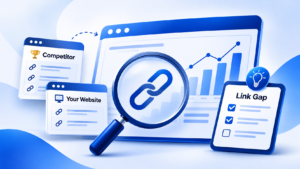
Backlink gap analysis reveals websites that link to your competitors but not to your website. These shared referring domains can uncover publishers already interested in your industry.
Start by comparing your domain with three to five organic competitors using Ahrefs Link Intersect or Semrush Backlink Gap.
Follow these steps:
Prioritise websites linking to several competitors because they may have an established interest in your topic. However, investigate the reason behind each link before adding the domain to your outreach list.
New and growing industry publications can offer opportunities before they become widely known among link builders. They may be actively looking for expert contributors, useful resources, and original industry insights.
Monitor new publications, specialist blogs, industry newsletters, startup directories, and niche communities. Follow editors, journalists, and content managers who regularly publish within your industry.
Do not assume that every new website is worth pursuing. Check its content quality, ownership information, audience relevance, and publishing consistency before considering it a prospect.
Google search operators help you discover relevant publishing opportunities that may not appear in standard backlink reports. They make prospect research more targeted by narrowing results to specific phrases and website sections.
Try these searches by replacing the niche with your industry:
For example, a SaaS company could search for “best project management tools” to identify relevant comparison pages and publications.
Search operators generate potential prospects, not confirmed link opportunities. Review each result manually and check whether the website has genuine editorial standards and an appropriate audience.
Broken backlinks and unlinked brand mentions can reveal opportunities where a publisher already references your industry, brand, or relevant resources.
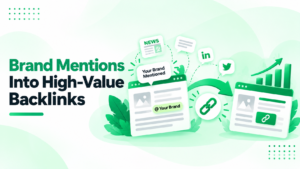
For unlinked mentions, search for your brand name and product names. Check whether the website mentions your company without linking to the relevant page. If a link would help readers find the original resource, contact the publisher with a polite suggestion.
For broken link building, look for relevant pages that link to unavailable resources. You can also investigate competitor pages that have disappeared but still attract backlinks.
Before reaching out, make sure you have an existing or newly created resource that genuinely replaces the missing information. A replacement should serve the reader, not simply provide an excuse to request a backlink.
Industry developments can create link opportunities before competitors recognise their potential. New research, product launches, regulatory changes, and emerging trends often lead publishers to seek expert commentary and supporting resources.
Follow relevant industry publications, journalist discussions, newsletters, and professional communities. When a topic starts gaining attention, consider whether you can contribute original data, expert insights, or a useful explanation.
Speed matters, but accuracy matters more. Avoid pitching unverified claims or generic commentary simply because a topic is trending.
Resource pages and relevant guest contributions provide another way to discover publishers that regularly reference external expertise and useful content.
Search for recently updated resource collections, industry tool lists, educational guides, and publications inviting expert contributions. Set up a regular review schedule so you can identify new pages instead of relying on outdated prospect lists.
When evaluating guest posting sites, check whether the publication accepts genuinely useful articles and whether its existing content matches your expertise.
Focus on editorial value and audience relevance rather than securing placements simply to increase backlink numbers.
Evaluate every prospect using a consistent checklist before investing time in outreach. A website that looks promising in a backlink report may not offer a meaningful opportunity after closer inspection.
Use this framework:
| Evaluation factor | What to check |
| Relevance | Does the website match your niche? |
| Organic traffic | Does it attract genuine, relevant visitors? |
| Authority | Are its DR, DA, and referring domains reasonable? |
| Content quality | Does it publish original and useful content? |
| Outbound links | Are links relevant and editorially placed? |
| Opportunity | Is there a realistic reason to contact the publisher? |
You can score each factor from 1 to 5 and prioritise prospects with stronger overall potential. Treat this as an internal screening method, not a universal measure of backlink quality.
Also check whether the opportunity is already outdated, whether the publisher is still active, and whether your proposed content adds something useful.
The right tools can make link prospecting more systematic, but manual evaluation remains important.
| Tool | How it helps |
| Ahrefs | Discover competitor backlinks, referring domains, and broken link opportunities. |
| Semrush | Compare backlink profiles and identify link gaps. |
| Google Search | Find niche publications, resource pages, and guest posting opportunities. |
| Google Alerts | Monitor brand mentions and emerging industry topics. |
For teams managing multiple campaigns, a backlink marketplace can also simplify the process of exploring publishing opportunities. At the marketplace, users can browse publisher websites and evaluate available placements using filters such as niche, DR, traffic, and price.
Finding link building opportunities before competitors is not about collecting the largest list of websites. It is about spotting relevant publishers early, understanding why they link to particular resources, and approaching them with something valuable.
Make competitor monitoring, backlink gap analysis, industry research, and prospect evaluation part of your regular SEO workflow. When you need a more structured way to explore publishing opportunities, Linkpedia can help you discover available publishers and evaluate placements for your campaigns.
Find relevant publishers through competitor backlink analysis, resource pages, industry research, and search operators. Evaluate their traffic, content quality, relevance, and editorial standards before outreach.
Link prospecting is the process of identifying websites that could provide relevant backlink opportunities. It involves researching publishers, evaluating website quality, and preparing targeted outreach.
Competitor backlink analysis reveals websites linking to competing businesses. Reviewing these sources helps identify relevant publishers, understand successful content formats, and discover potential outreach opportunities.
Ahrefs and Semrush help analyse competitor backlinks and identify link gaps. Google Search and Google Alerts also help discover niche publications, resource pages, and brand mentions.
A valuable backlink opportunity comes from a relevant website with useful content, genuine audience engagement, and credible editorial standards. Context and placement matter more than authority metrics alone.
Review competitor backlinks and industry developments weekly, then conduct a broader prospect evaluation monthly. Consistent monitoring helps identify newly published pages and active publishers.