What Are 10 Link Building Techniques That Still Work in 2026?

Quick Answer: The link building techniques that still work in 2026 focus on earning relevant, useful links rather than generating backlinks at scale. Effective approaches include broken link building, competitor backlink analysis, linkable assets, digital PR, expert contributions, original research, and strategic outreach.
Link building is the process of earning or acquiring links from other websites to your own pages. These links can help users discover your content, bring referral traffic, and contribute to your site’s overall search visibility.
Link building has changed, but the fundamental reason a website links to another site remains the same: the linked resource should provide value to its audience.
The strongest link building strategies in 2026 focus on creating genuine reasons for publishers, journalists, bloggers, and industry websites to reference your content.
A good technique usually has these characteristics:
Google’s guidance emphasizes helpful, reliable, people-first content and warns against link spam designed primarily to manipulate rankings.
That makes the distinction between link building and link manipulation especially important in 2026.
Broken link building involves finding links on relevant websites that lead to unavailable or outdated pages, then suggesting a useful replacement.
For example, suppose a marketing website links to an old guide about keyword research that no longer exists. If you have a current, genuinely useful guide covering the same subject, you can contact the publisher and suggest it as an alternative.
A practical process is:
The important part is relevance. Sending hundreds of generic broken-link emails is unlikely to produce meaningful results.
Competitor backlink analysis can show you where similar websites are earning links and, more importantly, why those links exist.
Look for patterns such as:
Then ask what made the competitor’s resource link-worthy.
The goal is not to copy a competitor’s backlink profile. It is to identify opportunities and create something equally useful, or better.
A linkable asset is content or a resource that other websites have a genuine reason to reference.
Examples include:
A 2,000-word article is not automatically a linkable asset. It needs a clear reason for another publisher to cite it.
For example, a page containing regularly updated industry statistics can become a useful reference whenever another writer needs data to support a claim.
Note: Original research is one type of linkable asset, but not every linkable asset requires original research
Resource page link building involves finding relevant pages that curate useful resources for a particular audience.
For example, a digital marketing website might maintain a page listing useful SEO tools, guides, templates, and research.
To make this technique work:
Avoid submitting your website to every directory or resource list you can find. A relevant, editorially maintained resource page is far more useful than a large collection of unrelated links.
Digital PR link building combines public relations with content designed to attract editorial attention.
Instead of asking publishers to link to an ordinary blog post, you give them a story worth covering.
Potential ideas include:
For example, a cybersecurity company could survey businesses about their most common security mistakes and publish the findings. Journalists and industry publications may then reference the data in their own coverage.
The strongest digital PR campaigns lead with the story, not the backlink request.
An unlinked brand mention occurs when another website talks about your company, product, research, or expert but does not link to the relevant page.
This can be a relatively efficient opportunity because the publisher already knows your brand.
The process is simple:
Find the mention → check whether a link exists → identify the most relevant page → make a polite attribution request.
For example, if an article mentions a LinkPedia research report but does not link to the report, you could contact the author and explain that readers may find the original source useful.
There is no guarantee the publisher will add the link, so the outreach should remain a suggestion rather than a demand.
Guest posting can still contribute to a link-building strategy when the focus is on publishing genuinely useful content for a relevant audience.
The problem is not writing for another website. The problem is creating large volumes of low-quality guest posts primarily to manipulate rankings.
A strong guest contribution should:
Google’s spam policies specifically identify large-scale or manipulative guest-post and advertorial practices as potential link spam.
Not every useful link starts with an outreach email asking for a backlink.
Building relationships with journalists, editors, researchers, podcast hosts, industry experts, and publishers can create opportunities for future mentions and citations.
You can contribute through:
The key is to contribute expertise first.
If someone regularly sees you as a useful source, they are more likely to remember and reference your work when a relevant topic comes up.
For example, an SEO professional who regularly provides useful commentary to industry publications may earn future mentions when those publications cover search trends or algorithm changes.
Original research is one of the strongest ways to create naturally referenceable content.
Instead of repeating statistics that already appear across hundreds of websites, produce your own evidence.
For example, you could:
Then make the findings easy to understand and cite.
This approach supports both traditional SEO and AI search visibility because the content provides original information rather than another rewrite of existing material. Google specifically encourages original reporting, research, and analysis that adds substantial value.
Strategic outreach brings the other techniques together.
Instead of sending the same message to hundreds of websites, build a focused list of pages where your resource has a legitimate reason to be mentioned.
A simple outreach process looks like this:
If you publish an original study about SEO costs, don’t pitch it to every marketing website. Find articles already discussing SEO budgets, understand what those articles are missing, and explain how your data adds useful evidence.
The best outreach explains why the resource is useful to that specific audience. That is much stronger than simply saying, “Please add my link.”
Different websites need different approaches. Your best link building strategy depends on your existing assets, brand visibility, expertise, and goals.
| Goal | Best technique |
| New website | Linkable assets + targeted outreach |
| Established brand | Unlinked mentions |
| Competitor growth | Competitor backlink analysis |
| Earn media links | Digital PR |
| Resource-driven content | Resource page link building |
| Recover opportunities | Broken link building |
| Build expertise | Expert contributions |
| Industry visibility | Relevant guest contributions |
| Citation-worthy links | Original research |
Do not assume you need hundreds of backlinks. A smaller number of highly relevant links can be more useful than a large collection of unrelated placements, particularly when they provide genuine editorial value or qualified referral traffic.
Avoid techniques where the primary purpose is manipulating search rankings rather than providing value. These include:
Google’s current spam policies classify practices such as buying or selling links for ranking purposes, automated link creation, excessive link exchanges, and low-quality directory links as link spam.
The safest principle is simple: build links because they help users discover something valuable, not because you need to increase a backlink count.
A link building marketplace can make link acquisition more manageable when you need access to publishers, websites, and placement opportunities without handling every prospecting task manually.
For teams comparing link building services, a marketplace can also provide a more structured way to evaluate publishers, placements, pricing, and available opportunities.
The value depends heavily on the quality of the marketplace and its available websites.
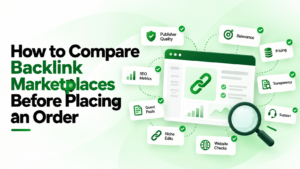
Before choosing one, evaluate:
For businesses with limited outreach resources, the right platform can complement an internal link-building strategy while leaving the final decision about relevance and quality with the marketer.
The best link-building techniques in 2026 are not necessarily the newest ones. They are the techniques that give another website a clear reason to link.
Focus on useful assets, original information, relevant relationships, smart prospecting, and editorial value.
Whether you use broken link building, competitor backlink analysis, digital PR, guest contributions, or platforms such as LinkPedia to find relevant link opportunities, the focus should remain on quality rather than quantity.
A sustainable link building strategy is built around relevance, usefulness, and genuine value for both publishers and their audiences. That approach is more likely to stand the test of time and aligns better with Google’s people-first guidance.
Backlinks can help SEO by improving a page’s visibility, bringing referral traffic, and signaling that other websites find the content useful or relevant.
There is no fixed backlink number required to rank. The right target depends on competition, content quality, relevance, authority, search intent, and the strength of competing pages.
Yes, nofollow links can still bring referral traffic, visibility, and brand exposure. Google treats nofollow and similar link attributes as hints rather than absolute directives for Search.
Link building results vary by website, competition, content quality, and the links earned. Some benefits appear quickly, while broader organic improvements can take several months.
Yes, through tactics such as unlinked brand mentions, broken link building, expert contributions, and relevant partnerships. However, useful content creates more opportunities for earning links naturally.