Digital PR for Startups: Strategy, Budget & Marketplaces

Digital PR for startups uses online media coverage, original data, expert commentary, and newsworthy campaigns to build visibility, credibility, referral traffic, and relevant backlinks. A focused strategy can work without a large PR budget.
Digital PR is the process of getting a business featured across relevant online publications, industry websites, news platforms, and other digital channels. For startups, it can support brand awareness while creating opportunities to earn mentions, referral traffic, and editorial links.
Unlike traditional PR, digital PR is closely connected to the online ecosystem. A successful campaign may generate media coverage, social attention, branded searches, and links from publications that are relevant to the startup’s audience.
However, digital PR should not be treated as a shortcut for collecting backlinks. Google considers links created primarily to manipulate search rankings a form of link spam. Paid or sponsored links should also be appropriately qualified.
The goal should be to create something worth talking about first, then use PR to get that story in front of the right people.
In 2026, startups can use digital PR to build awareness, establish credibility, reach new audiences, and create assets that other websites may naturally reference.
A new company often has limited brand recognition. Even a useful product can struggle to gain attention when established competitors already dominate search results and industry conversations.
Digital PR gives startups another way to introduce their expertise and story to relevant audiences. It can be particularly useful for:
The important distinction is quality over volume. Ten irrelevant placements may be less useful than one piece of coverage that reaches the right customers and gives journalists or other publishers a genuine reason to reference the company.
A practical digital PR strategy starts with a clear business objective and works backward to a story that a publication’s audience would actually care about.
Decide what the campaign needs to achieve. The goal might be brand awareness, product visibility, referral traffic, expert positioning, or coverage in a particular industry.
A startup does not need to announce another generic company milestone. Look for information that can become a story, such as original research, customer trends, industry data, product innovation, or a strong expert opinion.
Turn the idea into something journalists can understand and reference quickly. This could be a survey, research report, data study, expert commentary, visual report, or industry analysis.
Identify good PR sites and publications that already cover your industry, audience, or topic. Relevance matters because the same placement can have very different value depending on who reads it.
A pitch should quickly explain what the story is, why it matters now, and why the publication’s readers would care. Avoid sending the same generic pitch to every journalist.
Track coverage, referring domains, referral traffic, brand mentions, branded search activity, and conversions where appropriate. Looking only at the number of backlinks can hide whether the campaign actually reached useful audiences.
The strongest startup digital PR campaigns usually have a clear hook, supporting evidence, and a reason for another publication to cover them.
Survey customers or collect original data around a relevant industry question. A useful dataset can give journalists a specific finding to discuss rather than another company announcement.
Analyse a meaningful trend using your own data or credible public information. Present the findings clearly and explain what they could mean for the industry.
Founders and specialists can respond to developing industry stories with useful analysis. The strongest commentary adds expertise rather than simply repeating the news.
A product launch becomes more interesting when it connects to a broader market problem, emerging trend, or meaningful customer need.
Responding quickly to relevant news can create opportunities for expert quotes and media mentions. The commentary needs to be timely, accurate, and genuinely useful.
A startup’s digital PR budget depends on whether the work is handled internally, outsourced, or supported through a link-building marketplace. The campaign’s complexity, target publications, research requirements, and level of outreach can also affect cost.
| Approach | What it involves | Best for |
| DIY PR | Research, content creation, pitching, and follow-up handled internally | Early-stage startups with time and expertise |
| Freelance support | External help with campaign development, pitching, or outreach | Small teams with limited PR capacity |
| PR agency | Strategy, campaign creation, media outreach, and reporting | Startups with larger budgets or complex campaigns |
| PR marketplace | Comparing publication opportunities and placement options | Teams that want more direct control over placements and high-quality sites. |
There is no universal digital PR cost that fits every startup. Instead, set the budget around the objective. A small startup might begin with one focused campaign rather than spreading limited resources across several weak ideas.
Digital PR marketplaces connect businesses with publication and media opportunities, allowing startups to compare options instead of relying entirely on an established PR network.
The process is usually straightforward. A startup identifies its topic and target audience, reviews available publications or opportunities, checks relevant metrics and requirements, and selects placements that fit the campaign.
For startups, a marketplace such as Linkpedia can be useful when the team wants a more structured way to discover and evaluate publication opportunities.
The key is to treat a marketplace as a distribution and discovery tool, not a substitute for a strong story. Paying for exposure does not automatically make the resulting placement editorially valuable or beneficial for SEO.
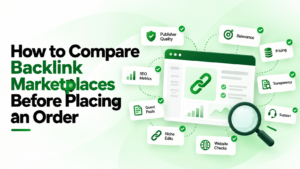
Startups should evaluate a digital PR marketplace based on publication relevance, audience quality, transparency, placement details, and overall campaign fit rather than one headline metric.
Before selecting an opportunity, check:
A useful marketplace should make these details easier to evaluate. The final decision should still come back to one question: Would this publication make sense for the startup even without the SEO benefit?
Digital PR for startups works best when the campaign starts with a story rather than a link target. Define the goal, create something genuinely useful, identify relevant publications, and measure what happens after the coverage goes live.
For startups with limited resources, a focused campaign and carefully selected marketplace opportunities can provide a more practical starting point than trying to pursue media coverage everywhere.
Digital PR can help startups build awareness, credibility, referral traffic, and media relationships when campaigns are based on useful stories rather than simply pursuing backlinks.
Digital PR costs vary by campaign complexity, research, outreach, publication selection, and execution model, so startups should budget according to specific campaign goals.
Startups can earn media coverage by creating original research, sharing expert commentary, developing useful data stories, responding to relevant news, and pitching targeted publications.
A digital PR marketplace is a platform where businesses can discover, compare, and select online publication opportunities based on factors such as relevance, audience, pricing, and requirements.